
Quick Answer
If you are looking for a reliable handbag manufacturer in China, do not compare suppliers by price alone. The best OEM or ODM handbag supplier should be able to support product development, sample execution, quality control, material sourcing, stable production, and clear communication from sampling to bulk delivery.

For fashion brands, private label handbag businesses, importers, and online retailers, the right manufacturing partner does more than produce bags. A strong handbag supplier helps you turn ideas into market-ready products, shorten sample cycles, control production risk, and maintain consistent quality across repeat orders.
This guide explains the key checks buyers should make before choosing a handbag manufacturer in China, especially for OEM handbag production, ODM handbag development, and private label handbag sourcing.
1. Check Product Development Capability First
For OEM and ODM handbag projects, product development capability is one of the first signals of a reliable supplier. A professional manufacturer should understand reference images, tech packs, materials, hardware, structure, logo placement, packaging, and your target price range.
A capable OEM handbag manufacturer should be able to translate your drawings or samples into production-ready handbags. A capable ODM handbag supplier should also contribute design suggestions, commercial style advice, and material recommendations based on your target market.
Ask these questions early:
- Can the supplier develop samples from drawings, reference photos, or tech packs?
- Can they recommend practical materials and hardware for your price point?
- Can they adjust size, structure, color, and logo details efficiently?
- Can they support seasonal handbag collection development?
Strong development capability usually means fewer sample revisions, better cost control, and faster product launches.
2. Confirm OEM, ODM, and Private Label Experience
Not every handbag factory is suitable for customized development. Some suppliers are good at repeating standard styles but are less experienced in OEM handbag manufacturing, ODM handbag development, or private label handbag production.
Before moving forward, confirm whether the supplier can support:
- OEM handbag production based on your specifications
- ODM handbag development based on market positioning
- Private label logo application and packaging customization
- Material, color, hardware, and lining customization
- Long-term support for seasonal or repeat orders
The more clearly a factory understands OEM and ODM workflows, the smoother your sourcing project will be from initial sample to bulk production.
3. Review Sample Quality Before Bulk Orders
Samples are not just previews. They are one of the best ways to evaluate whether a handbag manufacturer can truly execute your requirements. A reliable supplier should be able to explain any sample difference clearly and suggest practical improvements before production starts.
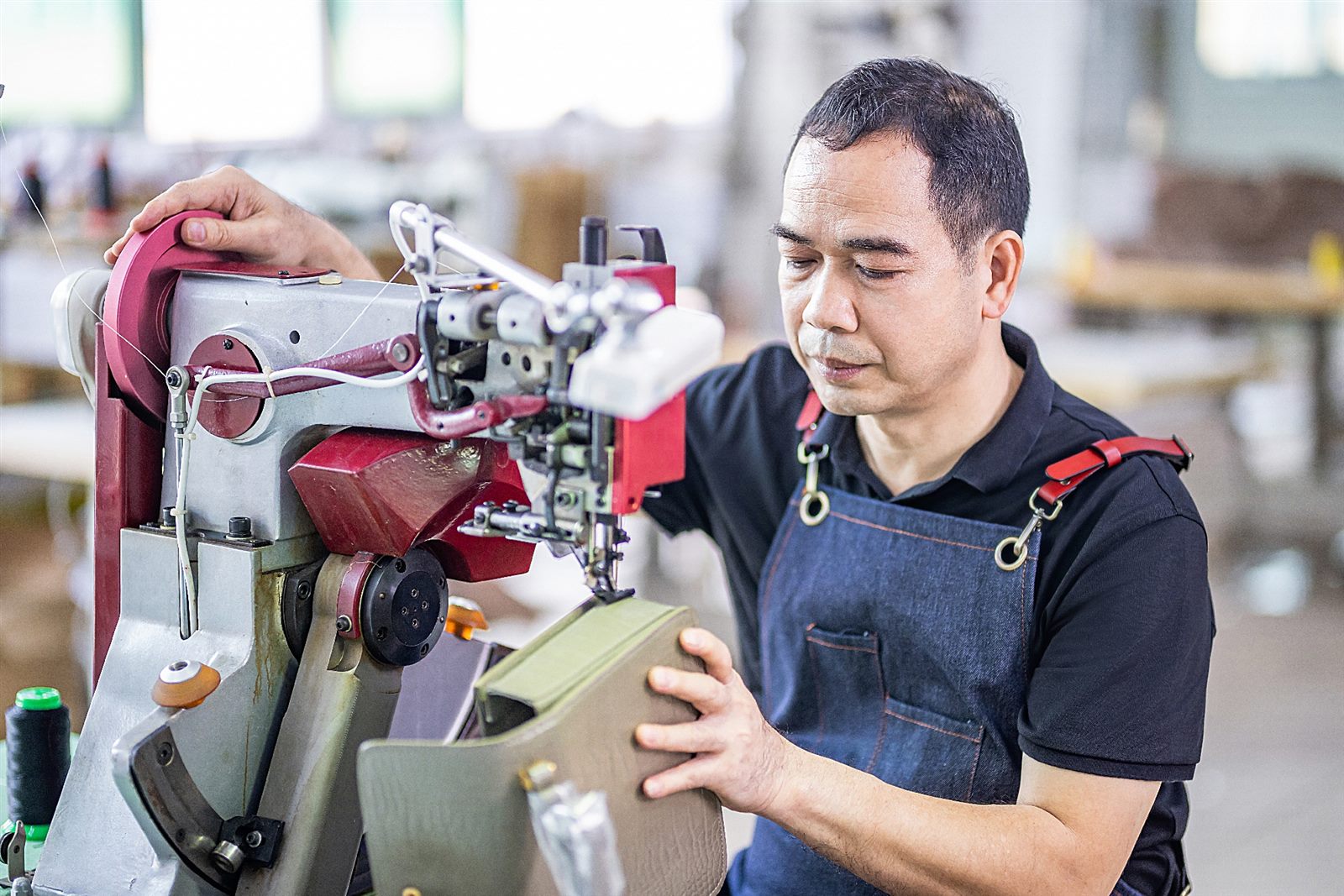
When reviewing handbag samples, check:
- Whether the size matches the approved specification
- Whether the material feels right for the target market
- Whether stitching is even, clean, and durable
- Whether hardware feels solid and reliable
- Whether logo placement and finishing are accurate
- Whether the bag shape and structure remain stable
If a supplier cannot control sample quality, it is difficult to expect stable quality in bulk handbag production.
4. Understand the Factory's Quality Control System
Stable handbag quality depends on process, not luck. A reliable handbag manufacturer should have a documented quality control system covering raw materials, cutting, stitching, semi-finished inspections, final inspections, and packaging checks.
Ask how the factory manages:
- Raw material inspection
- Hardware inspection
- Cutting and stitching checks
- In-line inspection during production
- Final inspection before packing
- Random inspection before shipment
For overseas handbag buyers, QC consistency matters more than one perfect sample. Your supplier should be able to keep the same quality standard across the full order, not only on the first prototype.
5. Check Production Capacity and Delivery Stability
Production capacity matters, but delivery stability matters even more. A supplier may quote a large monthly output, but what really matters is whether they can keep quality stable during busy periods and still ship on time.
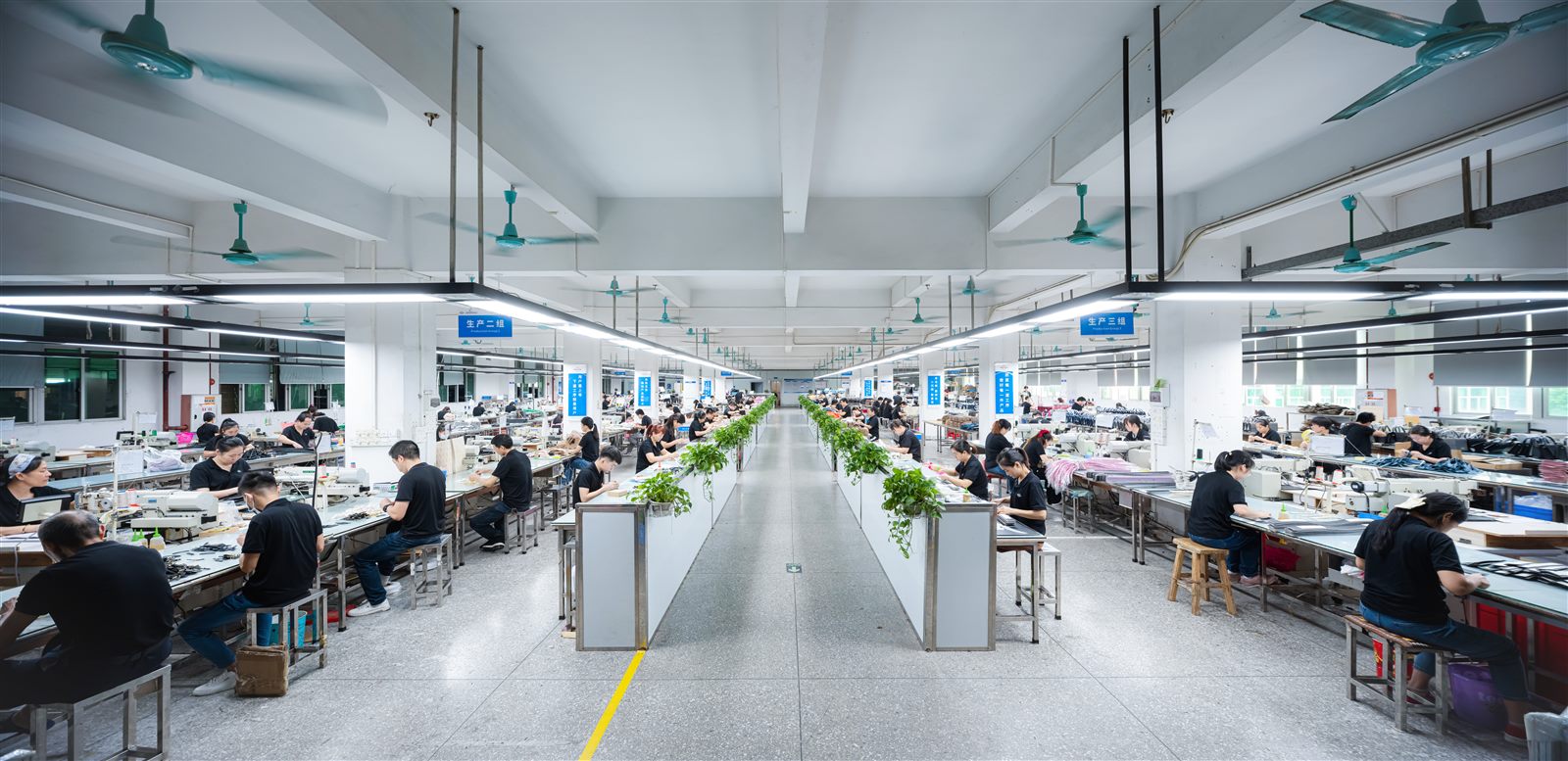
Before choosing a handbag factory in China, ask:
- What is the normal sample lead time?
- What is the bulk production lead time?
- Can the factory handle repeat orders without quality drift?
- How do they manage urgent orders and peak season pressure?
- Can they provide regular production updates?
For brands and private label buyers, late delivery can affect launch calendars, e-commerce campaigns, and retail planning. Stable production management is a major part of a reliable supply chain.
6. Confirm Material and Hardware Sourcing Capability
Materials and hardware directly affect handbag cost, durability, appearance, and market positioning. A strong supplier should not simply wait for buyer instructions. They should help you select practical options based on design goals, price targets, and production feasibility.
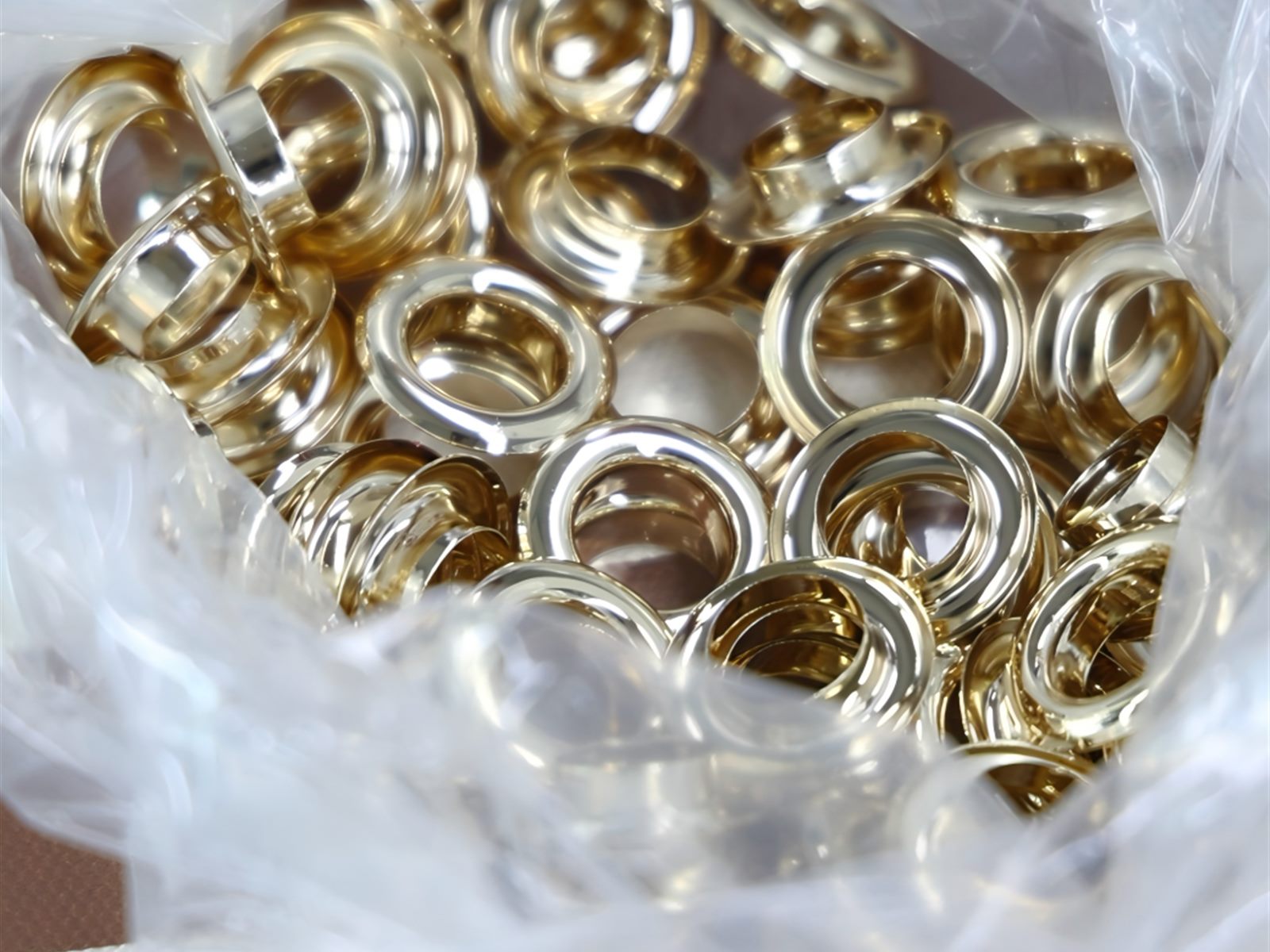
This usually includes support for:
- PU leather, vegan leather, genuine leather, and fabric options
- Zippers, buckles, chains, and magnetic closures
- Custom logo hardware and lining materials
- Material substitutions when lead times or costs change
Good material sourcing helps buyers create handbags that are both commercially viable and aligned with their brand positioning.
7. Make Sure the Supplier Understands Your Target Market
A handbag style that works for one market may not work for another. Trend-driven fashion buyers, department store buyers, DTC brands, and professional womenswear brands often need different silhouettes, material priorities, and retail price structures.
Before sampling starts, share the following sourcing brief with the factory:
| What to share | Why it matters |
|---|---|
| Target customer | Helps define function, style, and finish level |
| Retail price range | Keeps material and hardware choices realistic |
| Sales channel | Influences packaging, positioning, and compliance needs |
| Style direction | Helps the supplier recommend better options |
| Launch timeline | Improves sample and production planning |
The more clearly your supplier understands your market, the better they can support sourcing decisions and product development.
8. Evaluate Communication Efficiency
Good communication reduces sampling mistakes, production delays, and avoidable cost. For overseas handbag buyers, communication quality is often the difference between a smooth sourcing project and a difficult one.
A reliable manufacturer should be able to:
- Confirm product details clearly in writing
- Respond to questions in a timely way
- Explain sample issues and corrections precisely
- Share production progress proactively
- Offer realistic solutions when issues appear
Fast replies alone are not enough. What matters is whether the supplier can understand your business needs and turn them into accurate execution.
9. Compare Price, But Do Not Choose Only by Price
Price matters, but the lowest quotation is not always the best sourcing choice. Very low prices can hide problems in materials, hardware durability, workmanship, delivery reliability, or bulk consistency.
When comparing handbag suppliers, look at total value instead of unit price only:
- Material quality
- Workmanship and sample accuracy
- QC process
- Production capacity
- Communication efficiency
- Delivery stability
- After-sales support
The goal is not to find the cheapest handbag manufacturer in China. The goal is to find a supplier that can deliver stable, market-ready handbags at a reasonable cost.
10. Look for Long-Term Manufacturing Support
The best handbag manufacturer is not only a factory that can finish one order. The best partner can support new developments, repeat orders, seasonal updates, material adjustments, and stable supply over time.
Long-term cooperation can help buyers:
- Improve development efficiency
- Reduce communication cost
- Keep product standards consistent
- Shorten future sample cycles
- Strengthen supply chain reliability
For OEM and ODM handbag buyers, long-term manufacturing support is a major competitive advantage.
A Quick Checklist for Choosing a Reliable Handbag Manufacturer in China
Use this checklist when comparing suppliers:
- Product development capability is proven
- OEM, ODM, and private label experience is clear
- Sample quality meets your technical standard
- QC system is documented and repeatable
- Production lead times are realistic
- Material and hardware sourcing is flexible
- Communication is clear and responsive
- Delivery planning is stable
- Price is evaluated together with total value
- The supplier can support long-term cooperation
Why Many Buyers Choose AOPIYA
AOPIYA supports global buyers with OEM handbag manufacturing, ODM handbag development, private label handbag production, sample development, quality control, and delivery coordination. We help fashion brands and sourcing teams move from product idea to bulk order with a practical, development-focused supply chain process.
If you are comparing handbag suppliers in China and want a sourcing partner that supports development, customization, quality stability, and delivery coordination, contact AOPIYA to discuss your project.
FAQ
What is an OEM handbag manufacturer?
An OEM handbag manufacturer produces handbags according to the buyer's design, sample, or tech pack. The buyer defines the product direction, and the factory supports development, sampling, production, and quality control.
What is an ODM handbag supplier?
An ODM handbag supplier provides development support based on the buyer's market needs. This may include structure suggestions, material options, sample adjustment, and commercially suitable style recommendations.
How do I choose a reliable handbag manufacturer in China?
Start by reviewing development capability, OEM and ODM experience, sample execution, QC process, production capacity, sourcing support, communication efficiency, and delivery stability. Reliable suppliers can explain how they manage each stage, not just offer a low price.
Can I customize handbag materials, colors, logos, and packaging?
Yes. A professional OEM and ODM handbag supplier can usually support material selection, color customization, logo application, hardware options, lining changes, and packaging customization based on your requirements.
How long does handbag sampling usually take?
Sampling time depends on bag structure, material availability, customization complexity, and the number of revisions. Simple styles usually move faster, while highly customized handbags need a longer development cycle.
What should I prepare before contacting a handbag manufacturer?
Prepare reference images, drawings or tech packs, target materials, preferred colors, logo requirements, order quantity, target price range, packaging needs, and your expected delivery timeline. A clear brief helps the factory give more accurate development feedback.
Why should buyers not choose a handbag supplier only by price?
Because the lowest quotation can create hidden risk in material quality, workmanship, hardware durability, delivery reliability, and bulk consistency. A stronger sourcing decision compares total value, not only unit cost.
Does AOPIYA support private label handbag production?
Yes. AOPIYA supports private label handbag production, including logo customization, material selection, packaging requirements, and bulk production support for overseas buyers.